
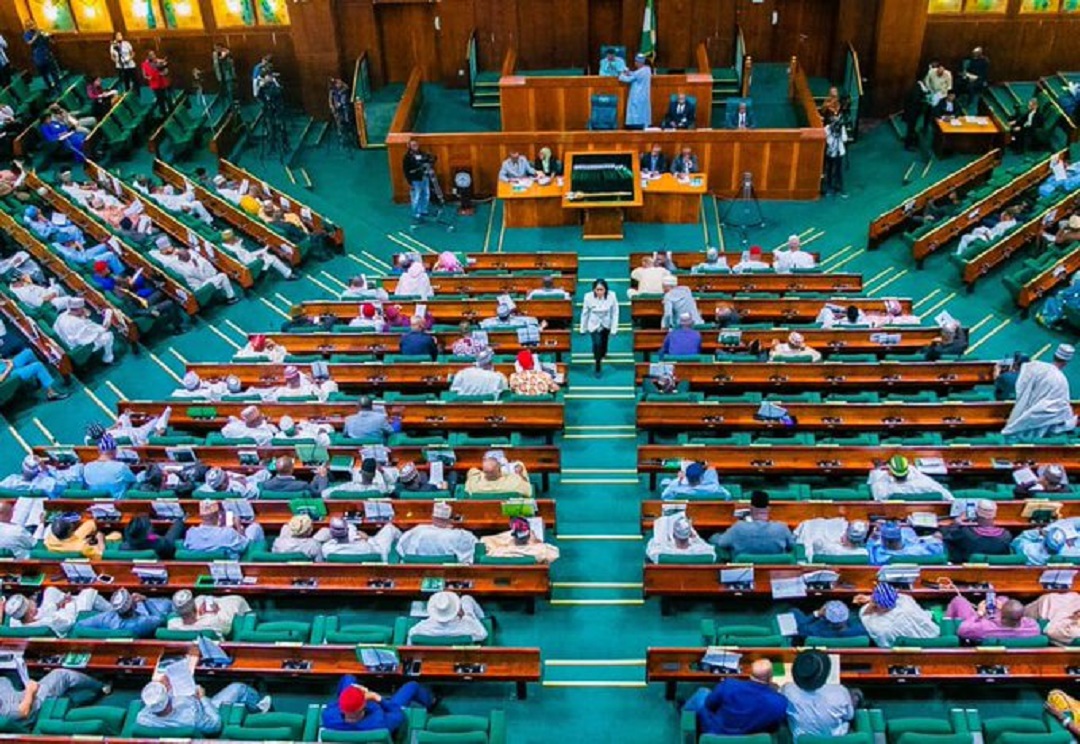
Constitution review, Electoral Act amendment, tax reforms, others that shaped N/Assembly in 2025
The National Assembly could hardly have ended 2025 on a more controversial note than the raging debates over alleged alterations and insertions in the gazetted versions of four newly assented tax laws.
The controversy was triggered when a member of the House of Representatives, Abdulsammad Dasuki, raised a point of privilege, alleging discrepancies between the versions of the tax laws passed by the National Assembly and those subsequently gazetted and released to the public.
The development has generated widespread disquiet, with several stakeholders including the Nigerian Bar Association (NBA), the Nigeria Labour Congress (NLC), former Vice President Atiku Abubakar and the Minority Caucus of the House of Representatives calling for the suspension of the implementation of the laws, which are billed to take effect from January 1.
Beyond the tax law controversy, Nigeria’s National Assembly in 2025 was marked by intense legislative activity, political realignments ahead of the 2027 general elections and a series of controversies that tested the institution’s cohesion, independence and public credibility.
From far-reaching constitutional debates and Electoral Act amendments to intra-chamber power struggles and policy disagreements, the federal parliament remained firmly at the centre of national discourse throughout the year under review. Daily Trust highlights some of the major issues that shaped legislative activities in the National Assembly in 2025.
Constitution amendment exercise
One of the most consequential undertakings of the National Assembly in 2025 was the constitutional amendment exercise, jointly chaired by the Deputy President of the Senate, Barau I. Jibril, and his House of Representatives counterpart, Benjamin Okezie Kalu.
Lawmakers revisited long-standing demands bordering on state police, state creation, devolution of powers, fiscal federalism, special seats for women in parliament, local government autonomy, independent candidacy and judicial reforms, among others.
Public hearings and stakeholder engagements held across the six geopolitical zones attracted robust citizen participation. Committees on Constitution Review in both chambers have since harmonised their reports, with voting by lawmakers expected in the coming weeks.
Electoral Act Amendment Bill 2025
Closely linked to the constitutional review was the push to amend the Electoral Act well ahead of the 2027 general elections. The exercise was largely driven by lessons drawn from the 2023 general elections and subsequent off-cycle polls.
Key debates centred on electronic transmission of results, timelines for party primaries, campaign finance regulation, stiffer penalties for electoral offences, legalising the use of technological devices such as BVAS and IReV in election conduct, as well as the funding of the Independent National Electoral Commission (INEC).
The House of Representatives penultimate week passed the 2025 Electoral Act Amendment Bill following clause-by-clause consideration of the report of the Committee on Electoral Matters, chaired by Adebayo Balogun. Among the approved proposals are mandatory electronic transmission of results, expanded use of BVAS and other technologies, increased campaign spending limits, stiffer penalties for vote buying and selling on Election Day but not during party primaries, and sanctions for presiding officers who fail to properly document election results.
The Senate is yet to commence consideration of the bill.
Natasha–Akpabio face-off
The political confrontation between Senator Natasha Akpoti-Uduaghan and Senate President Godswill Akpabio emerged as one of the most dramatic episodes within the legislature in 2025.
What began as procedural disagreements over seating arrangements in the Red Chamber escalated into allegations of sexual harassment, intimidation, abuse of office and suppression of dissent. The crisis culminated in a six-month suspension imposed on the female lawmaker.
The face-off sparked wider debates on gender relations in politics, internal democracy in the Senate and the concentration of power in legislative leadership. While public opinion remained sharply divided, the episode dented the Senate’s image and reinforced perceptions of intolerance for dissenting voices.
Although Akpoti-Uduaghan has since resumed her legislative duties after serving her suspension, relations between both lawmakers remain strained. The Senate President recently instituted a N200 billion defamation suit against her, while the senator, during a recent interview with Seun Okinbaloye, made veiled but scathing remarks, alleging that her approved constituency projects were removed.
Disquiet over constituency project funding
Another issue that generated sustained tension was the non-release or delayed release of funds for constituency projects. Lawmakers across party lines openly expressed frustration, accusing the executive arm of undermining legislative oversight and weakening their link with constituents.
In the House of Representatives, the situation escalated when lawmakers declared a one-week shutdown of sittings following a protest by indigenous contractors who blocked the entrance to the National Assembly over unpaid project claims. Although the lawmakers later rescinded the decision, grievances over the matter persisted.
Gale of defections
The National Assembly also witnessed a steady wave of defections in 2025, with several lawmakers switching parties, mostly in favour of the ruling All Progressives Congress (APC).
The defections altered the balance of power in both chambers, weakened opposition cohesion and raised constitutional questions over the legitimacy of cross-carpeting in the absence of internal party crises. The development saw the APC surpass the two-thirds majority threshold.
While critics described the trend as opportunistic and ideologically hollow, defecting lawmakers cited political survival, alignment with the centre and unresolved internal party disputes.
Tax reform controversies
Debates over tax reform bills further strained relations between the legislature, the executive and segments of the public. The proposed changes, aimed at expanding the revenue base and improving fiscal sustainability, initially met stiff resistance within the National Assembly.
Following sustained engagements and consultations by the executive, the four tax bills were eventually passed. However, lawmakers remained divided over the timing, social impact and equity of the reforms amid rising living costs.
The controversy resurfaced after President Bola Ahmed Tinubu assented to the bills, with allegations that the versions passed by lawmakers differed from those gazetted by the executive.
Daily Trust reports that Abdulsammad Dasuki (PDP, Sokoto) raised the issue on the floor of the House under Order Six, Rule Two of the House Rules, insisting that his legislative privilege had been breached. He argued that the gazetted laws did not reflect what lawmakers debated, voted on and passed.
In response, Speaker Abbas Tajudeen constituted a seven-member ad hoc committee to investigate the alleged discrepancies. The committee is chaired by Muktar Aliyu Betara, with Ahmed Idris Wase, Sada Soli, James Abiodun Faleke, Fred Agbedi, Babajimi Benson and Iduma Igariwey as members. The panel is yet to submit its report.
But the National Assembly decision to ‘re-gazette’ the laws without admittance of alterations has raised fresh concerns with lawyers describing the move as illegal.
Probes and summons
In 2025, the National Assembly intensified its use of probes, investigations and summons as oversight tools. Committees in both chambers regularly summoned ministers, agency heads and corporate executives over allegations ranging from revenue leakages and budget implementation failures to regulatory breaches.
High-profile probes in the petroleum, power, aviation and public finance sectors dominated headlines. While lawmakers argued that the investigations exposed systemic weaknesses, critics dismissed many as politicised, repetitive and lacking concrete outcomes.
Concerns were also raised over the frequent failure to publish comprehensive reports or secure prosecutions, fuelling perceptions that oversight was being used more for political leverage and media visibility than for institutional reform.
Motions on insecurity
Insecurity remained a recurring issue on the floor of the National Assembly throughout the year. Lawmakers repeatedly raised motions on banditry, terrorism, kidnapping, farmer–herder conflicts and communal violence across the country.
In the House of Representatives, lawmakers at one point dedicated an entire legislative week to debating insecurity, adopting resolutions for transmission to the executive.
Despite the volume of debates and resolutions, frustration persisted over the limited impact of parliamentary interventions, with calls for security sector reforms, improved funding, intelligence coordination and state policing remaining largely advisory.
Meanwhile, both chambers have adjourned plenary to January 27, 2026, to observe the Christmas and New Year holidays.
Nigerians can now invest ₦2.5 million on premium domains and profit about ₦17-₦25 million. All earnings paid in US Dollars. Rather than wonder, click here to find out how it works.
Join Daily Trust WhatsApp Community For Quick Access To News and Happenings Around You.
Community Reactions
AI-Powered Insights
Related Stories

Aviation Minister Signs Nigeria-Cameroon Technical Aeronautical Search, Rescue Agreement

Opposition parties hasten to INEC deadline on membership
Ombugadu dumps PDP


Discussion (0)