

Gumi says child kidnappings are a ‘lesser evil’ than killing soldiers
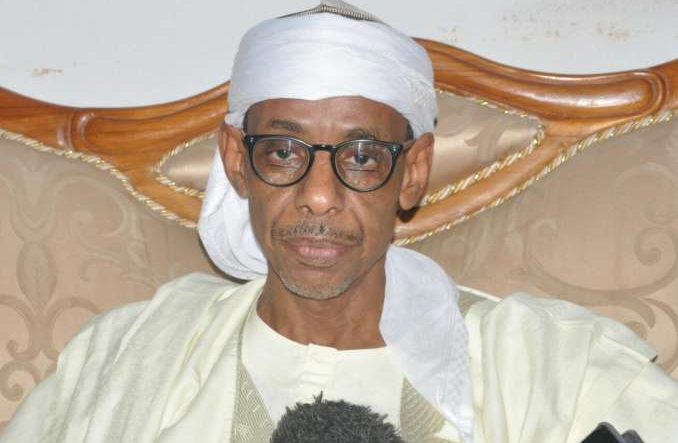
Sheik Ahmad Gumi
Kaduna-based Islamic cleric Ahmad Gumi has said the abduction of schoolchildren constitutes a “lesser evil” when compared with the killing of soldiers, arguing that while both acts are reprehensible, they differ in moral severity.
In an interview with the BBC published on Tuesday, Gumi defended earlier remarks that drew public criticism, insisting his comments were not an endorsement of criminality but a comparison based on “moral hierarchy”.
“Saying that kidnapping children is a lesser evil than killing your soldiers — definitely it is lesser,” he said. “Killing is worse than kidnapping, but they are all evil. Not all evils are of the same power.”
Read Also: Nigeria–US relations remain strong – Dare
Gumi also challenged claims that governments should refuse to negotiate with terrorists, saying neither religious scripture nor global practice supports such an absolute position. He argued that countries that publicly reject negotiations often privately do so when necessary.
“That phrase, ‘we don’t negotiate with terror’, I don’t know where they got it from. It’s not in the Bible. It’s not in the Quran. In fact, it’s not even in practice,” he said. “Everybody is negotiating with outlaws, non-state actors — everybody. We negotiate for peace and our strategic interests. If negotiation will bring a stoppage to bloodshed, we will do it.”
Responding to accusations that his outreach to armed groups legitimises criminality, Gumi dismissed the criticism as uninformed. He said his engagements were conducted openly and with official involvement.
“Anybody who thinks that way doesn’t understand the intricacies and what we go through,” he said. “I go there with the authorities. I don’t go alone. And I go there with the press.”
Gumi said his last direct interaction with bandit groups occurred in 2021 during dialogue efforts. He claimed state authorities were receptive, but the federal government “wasn’t keen”.
He called for a stronger military presence in affected regions but maintained that the armed forces alone cannot resolve the crisis, citing military commanders who acknowledge the limits of a largely kinetic approach.
“We need a robust army… but even the military is saying our role in this civil unrest, in this criminality, is 95 per cent kinetic,” he said. “The rest is the government, the politics, and the locals. The military cannot do everything.”
Gumi described the bandits primarily as Fulani herdsmen engaged in what he called an “existential war” centred on cattle, their livelihoods and their inheritance.
“They are fighting an existential war. Their life revolves around cattle… They’ll tell you, ‘This cow I inherited from my grandfather,” he said. “They are mostly Fulani herdsmen, not the Fulani town — we have to differentiate between the two.”
Oluwatosin Ogunjuyigbe is a writer and journalist who covers business, finance, technology, and the changing forces shaping Nigeria’s economy. He focuses on turning complex ideas into clear, compelling stories.
Join BusinessDay whatsapp Channel, to stay up to date
Community Reactions
AI-Powered Insights
Related Stories

War in The Middle East, Uncertainty in The World
The world dislikes the weak, by Hakeem Baba-Ahmed

Award‑Winning Action Epic ‘Son of the Soil’ Rolls Out to Audiences Across the African Continent


Discussion (0)