

Targeting the right audience in peace agreements
The approach adopted by many states in Nigeria in resolving conflicts whereby warring groups are called to dialogue with a view to restraining them from further acts of violence and brigandage is okay but it can be made more effective if the right audience is targeted.
In the Middle Belt region of Nigeria where the conflicts are mainly between pastoralists and farmers, there have been efforts to bring the two sides together as a way of ensuring lasting peace.
Peace practitioners have for years dialogued with elites like leaders of religious groups like the Christian Association of Nigeria (CAN), and Jamatu Nasril Islam (JNI); elders, traditional rulers and government officers in search of peace in rural communities.
This has however only brought temporary peace as there are reported cases where the method did not last beyond certain times frames and the parties in the conflicts revert to old hostilities.
More can, however, be achieved if the actors in the conflicts are targeted moving away from the wrong belief that superficial meetings and formalized dialogue will suddenly make people who have been fighting for decades to lay down their arms and embrace peace.
The fact is that the young people who have been weaponized to kill are the right targets to reach in order to avoid such conflicts. This is because they have been imbued with hate through the stories they are told, so they see the walls of separation, the preaching of differences and they act based on that belief. These sentiments have taken hold of their hearts and have been caked in their psychology and thought process.
To solve the deep-rooted problem, one has to go beyond feather touches when, indeed, the skin itself needs to be scraped. As one cannot cure cholera without sanitizing the environment the patient lives in, it is my view that targeting the right audience is key.
Peace practitioners can for instance get a sample population of those in conflict, give them some lectures on concepts and tools of peace building and send them back to the communities with the right messages. That way, the ocean of toxicity and violence would be discouraged and the expected peace would reign.
I was a witness recently to a program of grassroots peace building that seemed simple, but proved to be a new chart and path to peace making. I observed at the programme by the Middle Belt Brain Trust and the Institute for Integrated Transitions that first, the real perpetrators of rural community violence on both sides were selected to participate. They were the youths, herders, farmers, their spouses and children. Most of them said they had never attended any peace program. They were encouraged to tell popular stories from their communities. These stories set the stage for discussion as they exposed narratives that shaped the lives of these youth and women.
Supported to visualize a path way to peace in their communities; how to identify conflict issues and their manifestation, identify stakeholders both positive and negative and how build coalitions to wage the peace, they seemed better equipped to act in their local communities.
Having done that, each side – herders and farmers representatives sat separately to articulate their grievances. They were brought back together to negotiate peace agreements on each of the conflict issues identified. The interesting part was that this community agreements were technically formalized and then taken back to the communities for discussion and validation.
In this way, communities were drawn into the process of this discussion of the community Agreements set communities on fire as whole communities discussed and negotiated the merit and demerits of each agreement. Significantly, these community agreements can create a rule-based community that will be easier to govern and for peace to be mainstreamed.
While violence can just happen by accident, peace had to be worked for. That is why I believe that in situations where the state efforts are viewed with suspicion with many rural communities becoming ungoverned spaces, targeting the right audience with such engagements will contribute in a significant way to contemporary peace science.
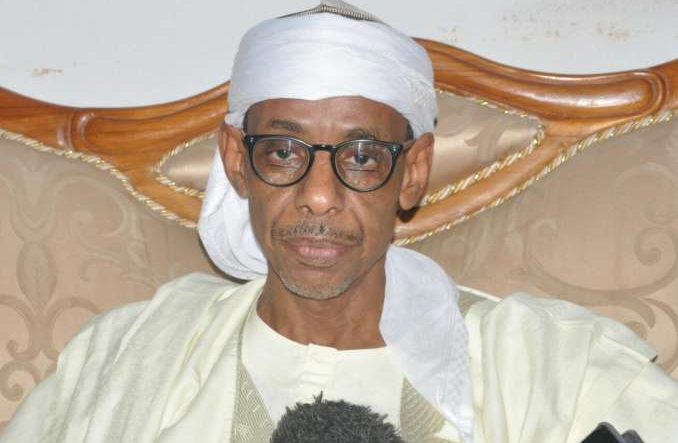
Bagu contributed this piece from Jos.
Nigerians can now invest ₦2.5 million on premium domains and profit about ₦17-₦25 million. All earnings paid in US Dollars. Rather than wonder, click here to find out how it works.
Join Daily Trust WhatsApp Community For Quick Access To News and Happenings Around You.
Community Reactions
AI-Powered Insights
Related Stories

War in The Middle East, Uncertainty in The World
The world dislikes the weak, by Hakeem Baba-Ahmed
Award‑Winning Action Epic ‘Son of the Soil’ Rolls Out to Audiences Across the African Continent


Discussion (0)