

Governor Babajide Sanwo-Olu, honorary doctorate degree and the fourth mainland bridge
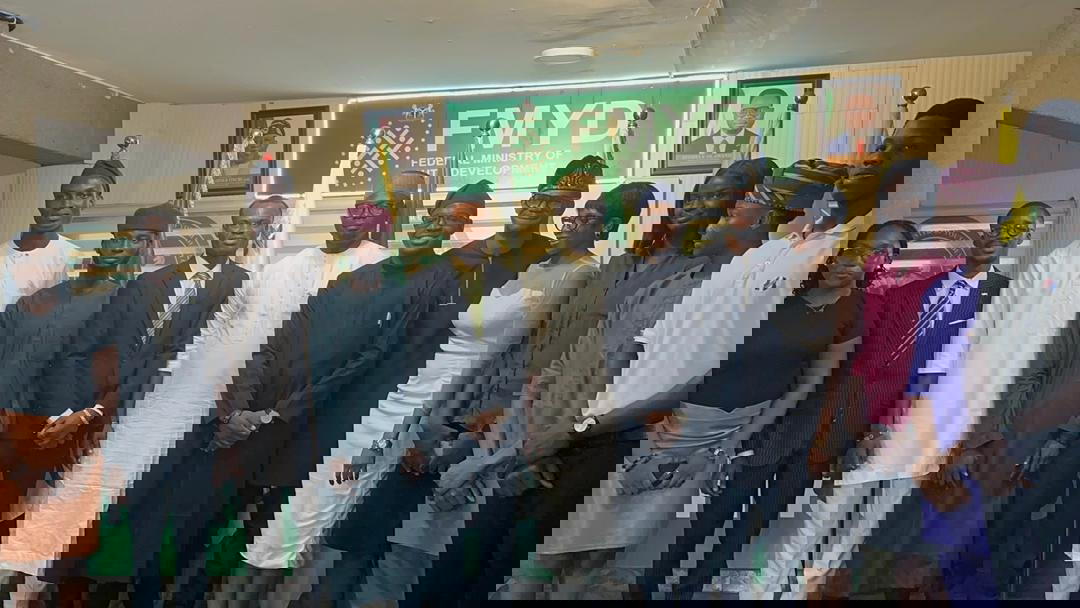
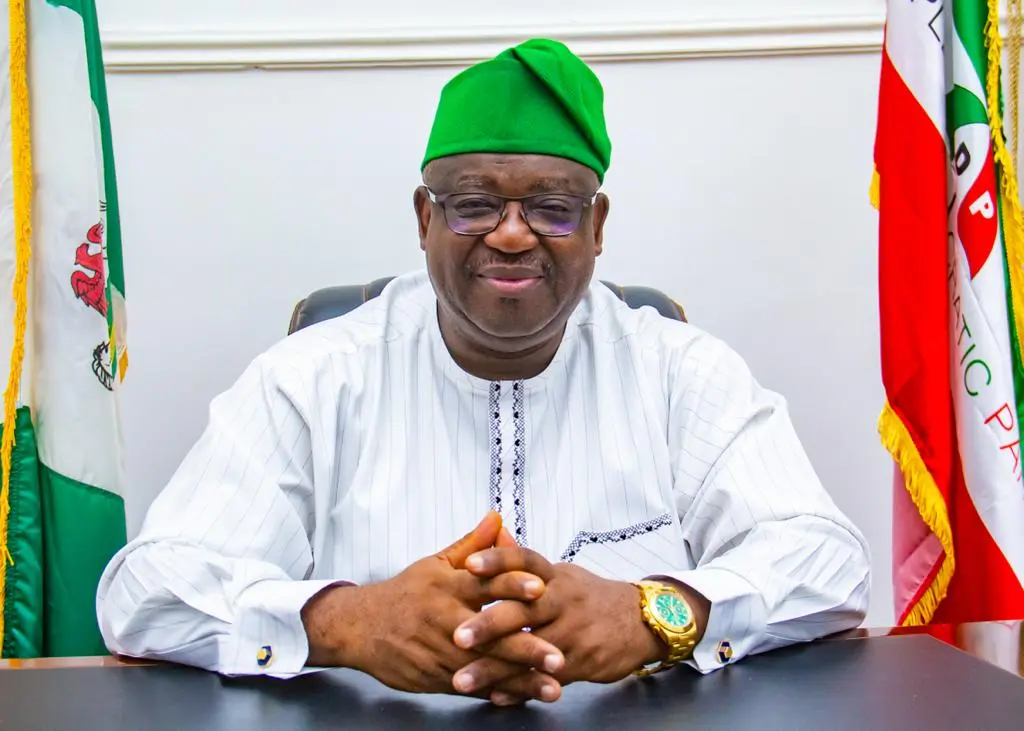
This article canvasses the point of view that the recent award of the honorary doctorate degree of business administration with a focus on public policy and administration to Governor Babajide Sanwo-Olu of Lagos State by Rome Business School Nigeria is a well-deserved honour. However, it is a wake-up call for him to do more. And there is no better way for him to do more for Lagos State and write his name in gold than to see to the award of the contract for the long-awaited construction of the fourth mainland bridge and the flagging off of construction work. This is against the background of the presentation of the state budget proposal of N4.2 trillion to the state house of assembly on Tuesday, October 25, 2025.
The Lagos Fourth Mainland Bridge project was first mooted as part of the second-term campaign manifesto of Governor Bola Ahmed Tinubu, who was governor of Lagos State between 1999 and 2007. The proposed bridge was formally conceptualised as a vital civil engineering project by the Governor Tinubu Administration in 2006. Since then, it has become an aspirational project that every Lagos State governor would want to be associated with. The challenge, however, has been its size and complexity, covering a distance of 38 kilometres, linking Ikorodu to Ajah and interconnecting with many major highways, including the Lagos-Ibadan Motorway and nine interchanges, and with a price tag of $2.5 billion, making it the most expensive civil engineering project Lagos State would be embarking upon thus far.
Read also: Travelers to face continued hardship as FG terminates Okene-Ajaokuta, other road projects
It is always difficult to assess the performance of elected political executives in Nigeria against the background of the prevailing climate of political governance in Nigeria, which challenges even political executives with the best of intentions and desires to make a difference. Even against this background. Governor Sanwo-Olu manifests the trappings of a 21st-century prototype public officer, with high-level academic and executive management education from some of the leading schools in the world and a strong blend of private and public sector executive management experience.
Governor Sanwo-Olu recorded significant strides in infrastructure development when the Blue Line light rail project was commissioned in January 2023, with the first phase of commercial operations beginning in September, followed by the commissioning of the Red Line light rail component in February 2024, with the first phase of commercial operations commencing in October 2024. However, with less than two years to the end of his second term in office, scaling the hurdle of the formal award of the contract for the construction of the fourth mainland bridge remains a great challenge for a project that has been on the drawing board for about two decades. President Tinubu reaffirmed his support for the 4th Mainland Bridge project during Governor Sanwo-Olu’s 60th birthday anniversary on June 25, 2025, in Lagos, commending him for his transformative infrastructural projects in Lagos.
“It would be inconceivable that a central government headed by a president who was a governor of a subnational would sit on or delay the approval processes of a major transformational project he himself conceived as governor of the subnational two decades earlier, especially given that both the incumbent governor and president belong to the same ruling party and political family.”
So, what then could be delaying the implementation of a flagship project that has the potential to literally make the perennial Lagos traffic become a thing of the past, especially since this was originally the brainchild of the incumbent President of Nigeria? The project, which will be delivered through the public-private partnership procurement mode, has achieved a few critical milestones: A Chinese civil engineering group, CCECC-CRCCIG Consortium, was in December 2022 announced as the preferred bidder for the project, and on November 1, 2023, a loan commitment of $1.35 billion was signed between the Lagos State Government, on the one hand, and the African Export-Import Bank (Afreximbank) and Access Bank, on the other, for three major infrastructural projects in Lagos, including the fourth mainland bridge. In January 2024, Governor Sanwo-Olu announced that the commencement of work on the bridge would begin in March or April 2024, but that did not happen. The main problem has been securing a sovereign guarantee for the project from the Federal Government. This can only be assumed to be bureaucratic red tape or glacial gradualism in the approval processes at the executive and legislative arms of the federal government.
It would be inconceivable that a central government headed by a president who was a governor of a subnational would sit on or delay the approval processes of a major transformational project he himself conceived as governor of the subnational two decades earlier, especially given that both the incumbent governor and president belong to the same ruling party and political family. Governor Sanwo-Olu had, during an interview on a popular television show in Lagos in January 2025, alluded to ongoing due process to ensure the financial sustainability of the project, especially considering the estimated $2.5 billion project sum. This, combined with legal, administrative and legislative hurdles of the mega project, can be assumed to have combined to slow down the approval processes for sovereign guarantees at the federal level. The subsequent public confirmation of President Bola Ahmed Tinubu’s support for the project at the landmark birthday event of Governor Sanwo-Olu has put to rest any speculation of political disaffection over the project.
Read also: The Lagos-Calabar coastal road project: Dead weight or victim of lifeless narrative?
What is now needed is for Governor Sanwo-Olu to pull all the stops to achieve accelerated approval of a sovereign guarantee for the project, as the financial partners will otherwise not touch the project with a barge pole. This might require setting up a special task force for this aspect of the project, which will touch base with the Presidency, key economic line ministries, the Justice Ministry and the legislature, among others, in Abuja. The campaign for the removal of every legal and administrative bottleneck to the approval of the fourth mainland bridge and the subsequent sealing of the financing agreement and the formal award of the contract to the preferred bidder should start now. Governor Sanwo-Olu should ensure that he sets a deadline of not later than the first quarter of 2026 for the signing of the contract for the mega project so that the construction gains traction before he leaves office by May 29, 2027.
The award of the contract for the Lagos Fourth Mainland Bridge will no doubt add more feathers to the cap of Governor Sanwo-Olu, and the delivery and commissioning of the project latest by the year 2030 will transform Lagos into a terrifically more efficient commercial and logistical hub with the potential to add billions of dollars more to Nigeria’s gross domestic product (GDP) annually, in line with President Tinubu’s aspiration of a trillion-dollar economy by the year 2030.
Mr Igbinoba is Team Lead/CEO at ProServe Options Consulting, Lagos.
Join BusinessDay whatsapp Channel, to stay up to date



Discussion (0)