

Diplomats work under suspicion, poor conditions as Bolaji urges Tinubu to reform foreign service
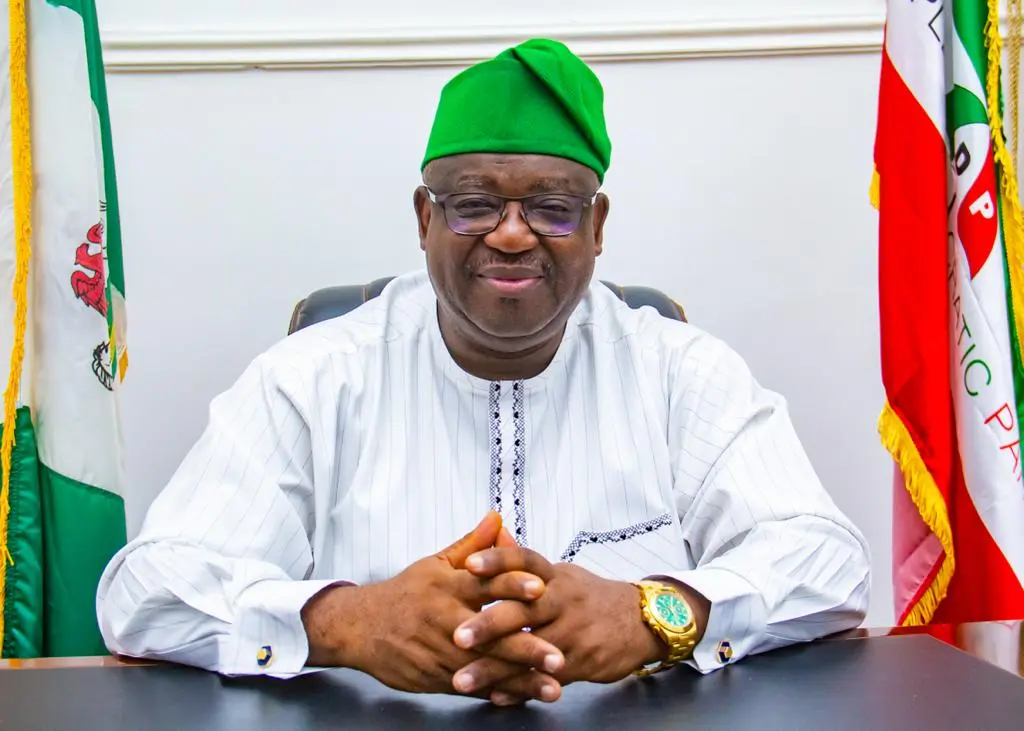
Ambassador Akinremi Bolaji, outgoing Director of Reforms and Renovations at the Ministry of Foreign Affairs, says Nigerian diplomats operate under extreme risks while receiving far less recognition and compensation than their work demands.
Speaking in Abuja during his 60th birthday celebration, retirement ceremony and the launch of his new book, The 7-Star Diplomat, Bolaji said diplomacy remains one of the most misunderstood and undervalued professions despite the dangers its practitioners face daily.
He said Nigerian diplomats contend with low remuneration, difficult working conditions and constant scrutiny abroad while representing the country. Bolaji urged President Bola Tinubu to prioritise foreign service reforms, warning that the welfare and working environment of diplomats are directly tied to national security.
Reflecting on his 35-year career, he said the book blends his personal experiences with guidance for emerging diplomats, highlighting the discipline, values and sacrifices that define the foreign service.
According to him, while the military is widely celebrated, diplomats face unique and often invisible threats that no battlefield weapon can neutralise, noting that every conflict ultimately ends at a negotiation table.
Read Also: Trump brokers Congo-Rwanda deal but violence raises doubts over lasting peace
“Often, military officers enjoy better financial rewards and public recognition than diplomats. We may bear the title ‘Excellency,’ but the responsibility and risks attached to that office are hardly acknowledged.
“As a diplomat in a foreign country, you are treated with suspicion simply because you represent your nation. Yet, despite the pressures, the remuneration remains poor. People assume ambassadors live glamorous lives because they see official cars and flags, but the truth is that the pay structure is far from attractive. Many diplomats operate in very difficult circumstances,” he said.
Bolaji urged Tinubu to strengthen the foreign service, insisting that national security relies as much on officers issuing visas as on troops confronting threats on the battlefield.
“The head of mission who approves a visa can pose a greater security risk than the soldier pursuing a terrorist. If a terrorist gains legal entry through a visa, the damage can be enormous. This makes diplomacy a critical security function that must not be overlooked,” he added.
Bolaji said his book also captures wide-ranging reflections on reforms, drawing from his final posting as Director of Reforms and Innovation at the ministry.
Former Nigerian Ambassador to the Scandinavian countries, Godknows Igali, described Bolaji as the embodiment of a “seven-star diplomat”—polished, patriotic and versatile. He said the book offers more than a memoir, providing a sweeping account of Nigeria’s diplomatic evolution through Bolaji’s 35-year career across multiple missions.
“It is a valuable resource for scholars, students of international relations and policymakers,” Igali noted, praising Bolaji for his humility, professionalism and dedication to national service.
Chairman of the event, Kolawole Agbaje, also commended Bolaji for consistently prioritising Nigeria’s image over personal gain. He said Bolaji’s career offers an inspiring blueprint for young diplomats and public servants, demonstrating that integrity, resilience and patriotism remain essential to national development.
Oluwatosin Ogunjuyigbe is a writer and journalist who covers business, finance, technology, and the changing forces shaping Nigeria’s economy. He focuses on turning complex ideas into clear, compelling stories.
Join BusinessDay whatsapp Channel, to stay up to date





Discussion (0)