

Ghana makes sixth debt restructuring payment, disburses $909m to bondholders
Ghana has paid GH¢10 billion ($909.1 million) in interest obligations under its Domestic Debt Exchange Programme (DDEP), marking another milestone in the country’s ongoing debt restructuring as it works to stabilise the economy after its most severe fiscal crisis in decades.
In a statement on Wednesday, the Ministry of Finance said the payment represents the sixth coupon settlement since the programme began and underscores the government’s commitment to meeting its revised debt obligations.
Authorities noted that consistent servicing of the restructured debt is intended to reassure both domestic and international investors while strengthening confidence in the West African nation’s recovery path.
The latest coupon payment represents a further step in Ghana’s effort to rebuild economic credibility, restore investor trust, and place public finances on a sustainable footing after one of the most challenging economic episodes in the country’s modern history.
Unlike earlier settlements that included non-cash elements, the latest coupon was paid fully in cash, a development officials described as evidence of improving fiscal resilience and solvency. The move also suggests public finances are gradually stabilising following a period of acute macroeconomic stress.
In 2022, Africa’s biggest gold producer launched the DDEP as part of a broader strategy to restore debt sustainability after mounting fiscal pressures pushed the economy into crisis and forced a sweeping restructuring of government liabilities. The programme affected a wide spectrum of domestic investors—including commercial banks, pension funds, and asset managers—that held substantial volumes of government securities.
The latest disbursement also covers interest due on cedi-denominated bonds exchanged under the restructuring framework and aligns with the government’s medium-term debt management and fiscal consolidation strategy aimed at lowering debt risks and restoring macroeconomic stability.
Officials said consistent servicing of obligations under the programme is critical to rebuilding liquidity buffers, moderating inflationary pressures, and gradually reducing borrowing costs. Sustained payment performance is also viewed as essential to restoring creditworthiness and improving Ghana’s eventual access to domestic and international capital markets.
As part of the recovery plan, the government is preparing to re-enter the domestic bond market later this year and has already appointed market specialists to support the issuance process—an early signal of improving financial conditions and returning investor appetite for local-currency debt.
Bunmi holds a degree in Economics from the University of Lagos and has over eight years of experience in content writing and journalism.
Her career spans roles as a financial and business journalist at BusinessDay Media and TechCabal, and as Head of Research at SBM Intelligence, an Africa-focused market intelligence and strategic consulting firm.
She also served as Editor at Finance in Africa, a subsidiary of Businessfront and is currently Assistant Editor, Finance (Africa), at BusinessDay.
Join BusinessDay whatsapp Channel, to stay up to date
Community Reactions
AI-Powered Insights
Related Stories
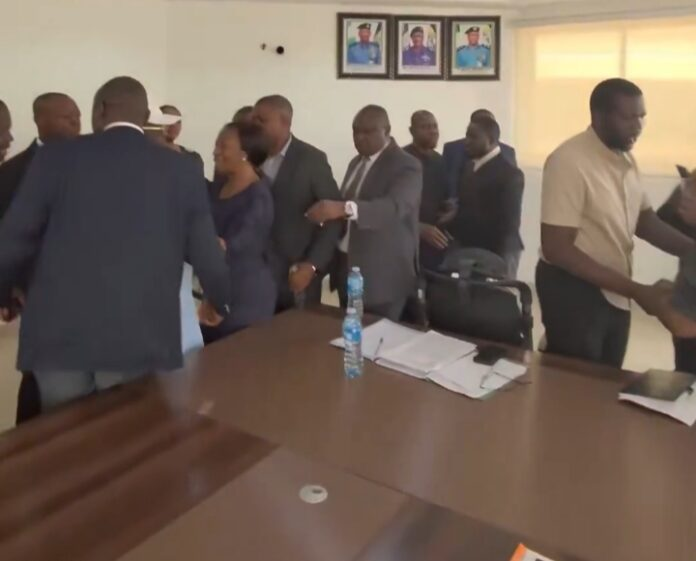
Sowore confronts Umahi at Force HQ over debt claim

CRISIS OF JUDICIAL APPOINTMENTS
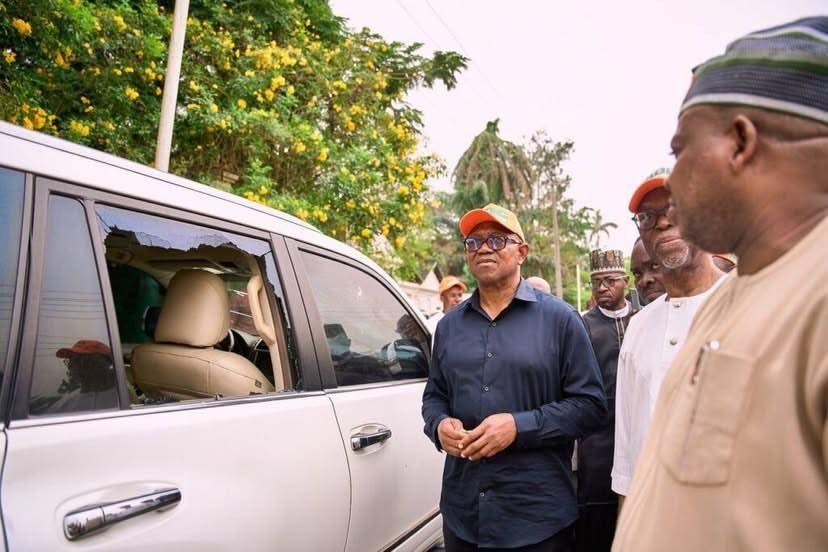
Outrage greets gun attack on Obi, Oyegun, others

Discussion (0)