
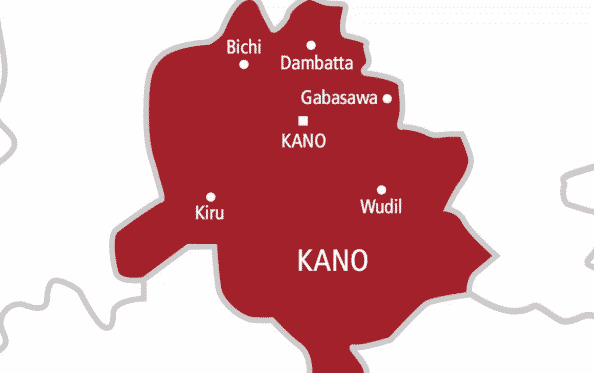
Kano: The ship can still turn if we stop lying to ourselves
A solution-seeking rejoinder
Ali Abubakar Sadiq’s lament is painful because it is largely true. Kano is not confused about its sickness; it is dishonest about its cure. We argue over names, quarters, sects, and labels because confronting root causes demands sacrifice, discipline, and courage—things we have steadily avoided.
Let us be blunt: Kano is not sinking because of Dorayi, cultism versus drugs, or which group committed the latest atrocity. Kano is sinking because its social contract collapsed. Poverty became normalised, leadership became extractive, religion became commercialised, family became transactional, and production was abandoned for consumption. Everything else is noise.
The first hard truth: poverty is the engine room of our decay. Not the romantic poverty of patience and dignity, but the violent poverty that breeds anger, drugs, crime, and moral collapse. You cannot preach morality to an empty stomach forever. You cannot sermonise youths out of crime when there is no work, no land access, no skills pipeline, and no capital. Kano’s problem is not population growth per se; it is unproductive population growth. Children are being born into an economy that has no intention of absorbing them.
The second hard truth: Kano abandoned production. Agriculture and manufacturing were not “neglected”; they were consciously sidelined. Dams left idle, irrigation systems silted, research ignored, factories allowed to die while imports flourished. A society that does not produce will inevitably fight over scraps. That fight will wear ethnic, religious, and neighbourhood masks—but its soul is economic desperation.
The third hard truth: leadership failed, and followership enabled it. Kano governments mastered the art of monthly pilgrimage to Abuja while abandoning long-term planning. Federal allocations became substitutes for vision. Budgets became rituals, not instruments of transformation. Yet the masses, brutalised by poverty and misinformation, still clap for those who loot them. This is not victim-blaming; it is diagnosis. A people that outsource thinking will be ruled by thieves.
Religion, too, must face the mirror. “Sai Addu’a” without action is spiritual laziness, not faith. Islam never separated prayer from work, zakat from productivity, or piety from justice. Clerics who turned the pulpit into a showroom for wealth did not merely betray religion; they disarmed society. When religion stops confronting power and starts dining with it, decadence multiplies.
Family breakdown is another uncomfortable subject. Yes, men abdicated responsibility. Yes, women face real economic pressures. But consumerist competition, child-worship, and material benchmarking have hollowed the home. A society that raises children to consume rather than contribute is preparing its own executioners.
Now the question that matters: what is to be done?
First, Kano must return to production—immediately and ruthlessly. Agriculture is not a slogan; it is an industry. The 22 dams must be revived under a single, professional, non-political Kano Agricultural and Irrigation Authority. Cluster farming, mechanisation pools, guaranteed off-take, agro-processing zones—this is not theory; it has been done before in Kano. Start with rice, wheat, tomatoes, sesame, dairy, leather. Employ youths at scale, not with handouts but with wages and skills.
Second, is massive skills and micro-capital deployment. Not charity, not empowerment politics, but structured economic insertion. N100,000–N300,000 starter capital tied to training, cooperatives, and market access can turn idle youths into producers within months. This is cheaper than policing crime after it explodes.
Third, restore zakat to its original purpose: redistribution with dignity. Kano should have the most credible, transparent zakat and waqf system in West Africa. Wealth concentration without redistribution is social sabotage. If the wealthy will not organise it voluntarily, society will eventually extract it violently. History is unforgiving on this point.
Fourth, rebuild moral authority. Clerics must return to austere leadership or lose relevance. Political leaders must accept public scrutiny or step aside. Community elders must mediate, not inflame. Silence in the face of injustice is not neutrality; it is collaboration.
Fifth, end the lie of helplessness. Kano does not need a miracle; it needs discipline. Miracles favour those who act. Prayer without planning is escapism. Planning without justice is tyranny. Kano must choose both.
The ship is damaged, yes—but it is not beyond repair. What will sink Kano finally is not poverty or population or even bad leaders. It will be the refusal to accept hard truths and act decisively.
The abyss is real. But so is the possibility of a turn. The question is not whether Kano can be saved. The question is whether Kano is finally ready to grow up once again?
Nigerians can now invest ₦2.5 million on premium domains and profit about ₦17-₦25 million. All earnings paid in US Dollars. Rather than wonder, click here to find out how it works.
Join Daily Trust WhatsApp Community For Quick Access To News and Happenings Around You.



Discussion (0)