

Nigeria remains far behind in local capacity development – Sen Joel Onowakpo
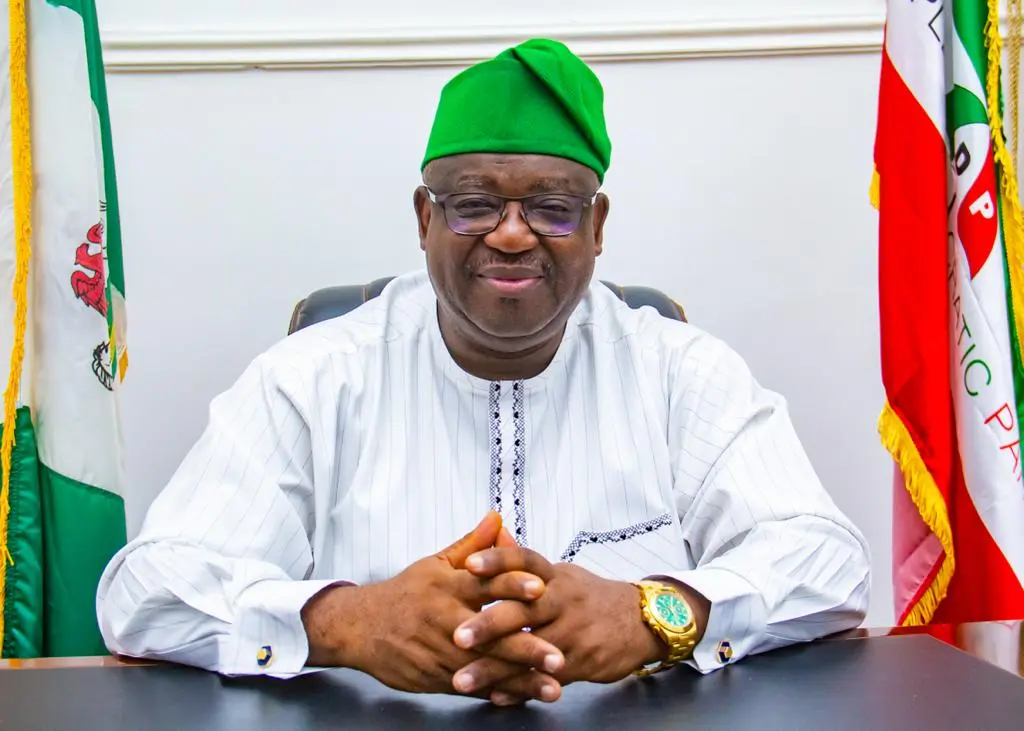
Senator Joel-Onowakpo Thomas, chairman, Senate Committee on Local Content Devt.
Senator Joel-Onowakpo Thomas, chairman of Senate Committee on Local Content has lamented that Nigeria remains far behind in local capacity development despite decades of oil exploration and the enactment of the Nigeria Oil and Gas Industry Content Development (NOGICD) Act in 2010.
The senator who expressed deep concern over what he described as systemic failure in adhering to local requirements, noted that “after 65 years of the discovery of crude oil in Nigeria, we are still way behind in local content development’.
Hence, he warned the international oil companies (IOCs), service providers and regulators that the country has entered a new era of strict, measurable and verifiable enforcement of local content laws.
In his address at the 14th Annual Practical Nigerian Content (PNC) Forum in Yenagoa, Bayelsa State, the lawmaker said the days of “paper compliance” with the NOGICD Act, the Nigeria First Policy, and Presidential Executive Order No. 5 are over.
The theme of this year’s gathering, “Securing Investments, Strengthening Local Content, and Scaling Energy Production,” the chairman noted, could not have been more timely as Nigeria seeks to consolidate gains in local content development and reposition the energy sector for sustainable growth.
He stated that the forum must address this gap if the nation is serious about securing investments and scaling energy production.
He revealed that the Senate Committee on Local Content has commenced a comprehensive review of submitted local content plans, compliance frameworks, waivers, and performance reports.
He disclosed that several complaints had been received, including the recruitment of an expatriate as Director of Procurement in Chevron, a position previously held by a Nigerian.
Other complaints include Sahara Group’s refusal to remit the mandatory 1% Human Capital Development (HCD) levy, misuse of HCD funds meant for training Nigerians, and allegations that operators are sidelining qualified citizens in employment and contract awards.
He stressed that the committee would summon companies and regulators where necessary and conduct investigative hearings to address violations.
“Wherever there is negligence, we will act. And wherever the law is being ignored, we will correct it,” he stated.
The senator condemned widespread abuse of the HCD requirement, which mandates that 1–3% of every oil and gas project above $1 million be dedicated to capacity development for Nigerians.
“This is not decorative. It is how nations build engineering, fabrication, welding, geological and technology capacity,” he said. “We will not accept tokenism.”
He announced that the committee is working with the Nigeria Labour Congress (NLC) to expose and publicly shame companies undermining local content laws or exploiting Nigerian workers.
He reiterated the three national pillars for local content development: the NOGICD Act of 2010, Presidential Executive Order No. 5 (2018), and the Nigeria First Policy (2025).
He reminded operators that these laws were enacted to prioritise Nigerians in employment, procurement, and technology transfer, noting that Sections 28–37 of the NOGICD Act require that critical positions be Nigerianized within four years.
“The intention of the law is not ambiguous. The mandate is not optional,” he said.
To enhance transparency, the committee has opened multiple reporting channels for citizens to lodge complaints against operators or regulators. This is how a fair, balanced and prosperous ecosystem is built,” Joel-Onowakpo added.
He emphasized that the federal government cannot be blamed for unemployment when operators in the oil and gas sector deliberately bypass laws designed to protect Nigerian workers.
“Never again will jobs meant for our people be outsourced to expatriates,” he declared. “Everyone has a role, and everyone will be held accountable.”
The senator reaffirmed the committee’s commitment to providing a conducive environment for investors while ensuring uncompromised adherence to local content regulations.
He pledged transparency, firmness, and fairness in enforcing the law. “We will ensure that local content is not a slogan but a lived economic reality. Nigerians must benefit. Nigerian companies must benefit. Nigerian workers must benefit. This is our mandate, and we will not compromise”, he concluded.
Join BusinessDay whatsapp Channel, to stay up to date





Discussion (0)