
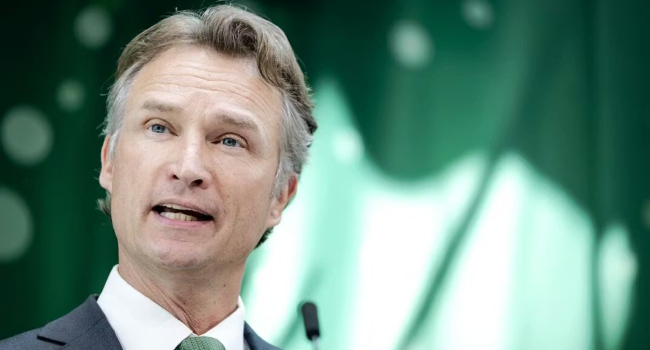
Heineken CEO Dolf van den Brink Resigns
Heineken’s CEO Dolf van den Brink resigned unexpectedly on Monday after six years of leading the Dutch brewer and only a few months after setting its new strategy, as the industry battles to get drinkers buying more beer.
A Reuters report said Van den Brink took the helm at the world’s No.2 beer maker in the midst of the COVID-19 pandemic in June 2020 and has presided over a turbulent period ever since, marked by huge cost inflation and falling sales that have hurt margins and shares.
Announcing his surprise exit, the board said it will launch a search for a successor to lead the maker of Heineken lager as well as brands like Tiger and Amstel.
Van den Brink, who will step down on May 31, has agreed to remain available as an advisor for eight months from June.
He and the chairman of the supervisory board, Peter Wennink, said now was the right moment for Heineken to appoint new leadership. The company set a new strategy covering the years until 2030 in October.
Heineken has “reached a stage where a transition in leadership will best serve the company in further executing its long-term ambitions,” van den Brink said in the statement, adding he remains fully focused on executing that strategy until his departure.
The company’s shares were 2% lower at 0849 GMT.
Van den Brink is the latest in a string of consumer company CEOs to depart after a difficult few years for the sector, as consumer finances came under strain from high costs of living.
Brewers have struggled to sell more beer, with hopes of a sales revival repeatedly knocked off course by everything from bad weather to political uncertainty. Heineken has slipped behind peers in areas like cost efficiency and investor returns.
A line chart showing beer companies’ 12-month forward price to earnings ratios over the past five years, where all companies have seen a significant decline
Whoever takes over faces the challenge of meeting Heineken’s 2030 promises amid global political and economic volatility.
Worries around the rise of new competitors, the emergence of weight-loss drugs that could weigh on food and drink sales, and shifting attitudes to drinking, especially among younger people, also cloud the sector’s future.
Under the company’s 2030 strategy, the new CEO will be tasked with refocusing Heineken’s resources on certain brands and markets as well as delivering on sales, profit, and cost-saving targets.
READ ALSO: I Know The Pain, Ex-Refugee Takes Over As UNHCR Chief
Van den Brink has led Heineken through a series of disruptions in key growth markets like Nigeria and Vietnam, a backlash from investors over problems with its forward-looking guidance, significant acquisitions in India and South Africa, and major restructuring efforts.
Heineken has faced other unique challenges in recent years, including a pricing dispute with European retailers in 2025 that saw its brands removed from shelves in some stores.
No related articles found
Community Reactions
AI-Powered Insights
Related Stories
Singer market fire: Kano Gov’t Warns Traders Against Fake Claims
Cement price hikes lift Dangote Cement’s annual profit twofold to N1 trillion

House Member Lauds NNPC, Dangote Partnership, Says Collaboration Will Strengthen Economic Growth


Discussion (0)