

Health workshop debunks sugar as direct course of diabetes, non-communicable diseases
A-one day health workshop in Lagos highlighted that sugar itself is not a direct cause of diabetes or other Non-Communicable Diseases (NCDs).
The insight took a center stage, sparking discussion on the real risk factors behind the condition.
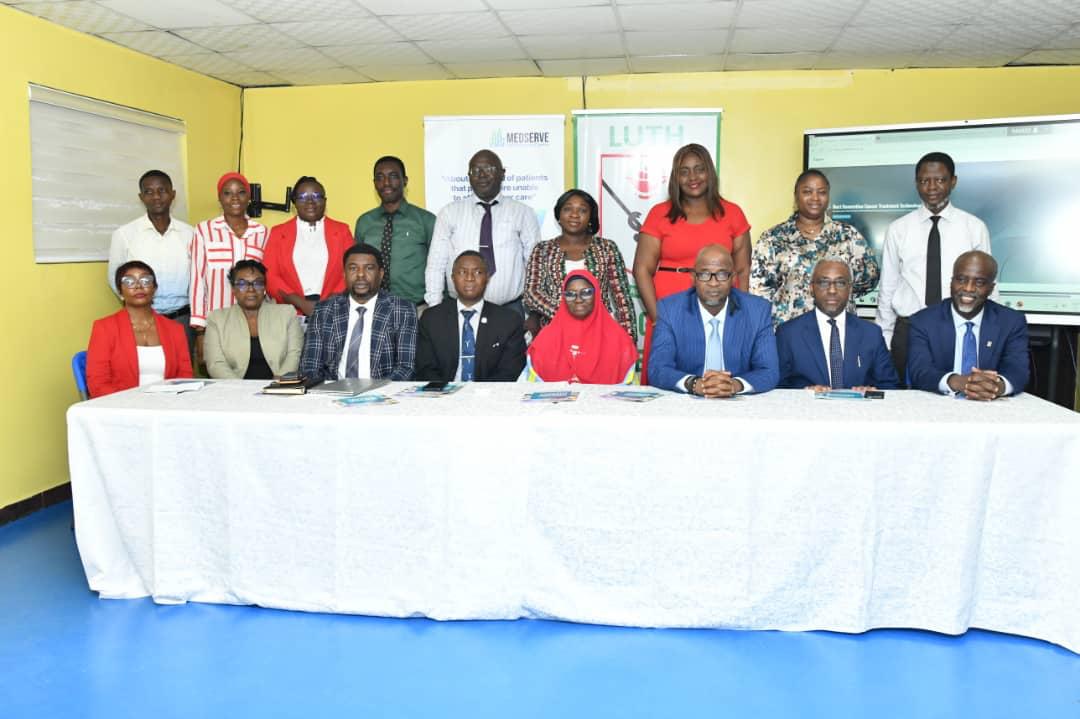
The workshop came under the theme, “Debunking the linkages between Non-Communicable Diseases (NCDs) and Sugar-Sweetened Beverages (SSBs) and it brought together health experts, stakeholders and media professionals.
Speaking at the workshop organised by the Community Health Empowerment Foundation in Lagos, Pubic health physician Godswill Iboma said “sugar has been demonised for centuries alongside alcohol and tobacco. But unlike tobacco or alcohol, there is no conclusive evidence that moderate sugar consumption directly causes non-communicable diseases,”
Citing recent studies from the European Journal of Internal Medicine (2022) and Frontiers in Nutrition (2023), the medical practitioner affirmed that while excessive sugar intake can contribute to calorie imbalance, the real drivers of obesity, diabetes, and heart disease are overall dietary patterns, physical inactivity, and metabolic and genetic factors.
According to Ibom who is an executive member of the foundation: “It’s not about sugar in isolation. It’s about balance: how much we eat, how much we move, and how our bodies process energy,”
Beyond its taste, the medical practitioner said that sugar plays a critical biological role in human health and daily function.
Explaining further he said “It is the primary source of glucose, the fuel that powers our brain, muscles, and vital organs. Without adequate glucose, the body’s energy systems falter, leading to fatigue, cognitive decline, and metabolic stress.
“Carbohydrates, including sugars, are not enemies, he stressed adding, “They are essential nutrients that provide the energy we need for physical activity, mental alertness, and overall body function.
”In fact, glucose is the body’s preferred energy source. The brain alone consumes nearly 20 percent of the body’s total glucose supply at rest.
‘’In moderate quantities, sugars contribute to a balanced diet, support muscle recovery, and enhance nutrient absorption, especially when consumed as part of a diet rich in fibre, protein, and micronutrients’’.
On the other hand, he warned against excessive or unbalanced sugar intake, noting that the key lies in moderation and dietary diversity.
“The problem is not sugar itself but how we consume it; often in large quantities and without adequate physical activity to burn it off,” he added.
The workshop also examined the rising use of sugar taxes as public health tools, including Nigeria’s Sugar-Sweetened Beverage (SSB) tax introduced in 2022.
While intended to curb consumption and raise revenue, Iboma cautioned that such fiscal measures may not achieve meaningful health outcomes if not backed by scientific evaluation. “Taxes may reduce sales temporarily, but they rarely reduce obesity or NCD rates in the long term,” he explained. “Public health policy must be based on data, not assumptions or populism.
“He referenced evidence from countries like Mexico, the UK, and South Africa, where SSB taxes led to minimal changes in consumption habits and negligible improvements in health indicators.
Instead of punitive measures, Iboma advocated for comprehensive nutrition education, community-based fitness programmes, and partnerships between government and the food industry to promote reformulation, innovation, and informed consumer choice.
A recurring theme throughout the workshop was the responsibility of the media to report on health issues with accuracy and context.
Iboma stressed the need for journalists to interpret research carefully to avoid creating panic or promoting half-truths.
“When science is oversimplified, the public suffers,” he said. “Media has a duty to educate, not alarm.”
Participants agreed that evidence-based reporting can bridge the gap between scientific data and public understanding, ensuring that health communication is both truthful and empowering.
The conversation in Lagos revealed one key truth: sugar is not the sole cause of NCDs; lifestyle is from diet to exercise, socio-economic factors to genetics, public health challenges require multi-dimensional solutions, not one-size-fits-all blame.
“Public health should empower people to live better, not punish them for what they eat”. Iboma concluded. “When we understand the science, we make better choices , as individuals, as policymakers, and as a society”
Join BusinessDay whatsapp Channel, to stay up to date
Community Reactions
AI-Powered Insights
Related Stories
Nigeria launches 1st immunotherapy trial for colorectal cancer

Oil & gas executive turned lifeline for vulnerable patients, earns continental humanitarian nomination

Yebu: FCT community where pregnant women travel 11km for health services



Discussion (0)