
Forex trading in Nigeria expands as market liquidity and access improve
By : Guardian Nigeria
Date: 26 December 2025 5:29pm WAT
Share :
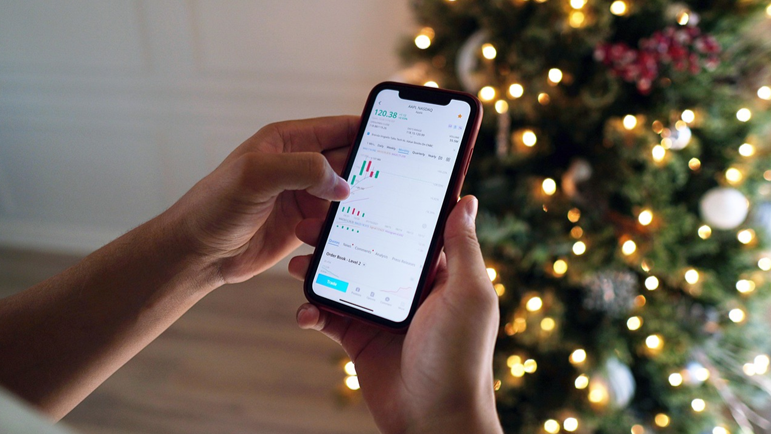
Nigerian trader using mobile devices to monitor forex markets
Nigerian trader using mobile devices to monitor forex markets
Nigeria’s currency market is changing fast. Liquidity is deeper across key sessions, platforms are easier to reach on mobile, and more traders can fund and withdraw with less friction. These shifts are pulling new participants into the market while helping experienced traders execute with greater consistency.
Many newcomers ask where to begin and what the new conditions mean for them. A practical first step is to learn the basics of forex trading and then align a simple plan with current liquidity patterns. Better access and execution do not replace discipline. They make it easier to apply discipline every day.
Liquidity is the capacity to buy or sell at a stable price without large slippage. Several Nigeria specific forces are pushing liquidity higher. Market participants now observe more consistent pricing around London open and the New York overlap. Banks and payment providers have improved rails that move funds faster within regulatory rules. Retail participation has grown in Lagos, Abuja, and Port Harcourt, which adds steady volume during peak hours.
Higher liquidity does not remove risk. It reduces noise and improves fill quality when your plan is sound. Traders see tighter spreads on major pairs, fewer failed orders during data releases, and more reliable stop placement near obvious technical levels. Strategies that rely on quick entries and exits benefit the most because small differences in spread and slippage compound over many trades.
Mobile broadband coverage keeps rising. Power backup options are more common at homes and offices. As a result, traders can check charts and manage positions during commute windows or short breaks. Desktop remains useful for detailed analysis, but mobile control helps users avoid missed exits. This matters in Nigeria where work schedules and traffic can interrupt screen time.
The aim is predictable timing. Faster inward and outward transfers reduce the need to keep excess idle cash in a trading account. Traders can scale deposits to match opportunity and keep personal budgets intact. Reliable cash flow lowers stress and supports rule based decision making.
A better market still punishes poor planning. Use the improvements to build structure instead of chasing every move.
Breakout and pullback entries both work when rules are clear. Breakouts align with strong liquidity but require fast execution and clean invalidation. Pullbacks allow more patience and often deliver better reward to risk if structure holds. Many traders combine the two. They use the daily and four hour charts for bias and then wait for one hour or fifteen minute confirmation.
Quality education materials are plentiful. The priority is a tight scope. New traders should learn order types, risk sizing, and one or two setups before touching advanced indicators. Tools that help in Nigeria’s context include position size calculators, economic calendars that show local time, and simple journaling apps. Automated alerts are useful for busy schedules. They prompt action only when price reaches a prepared zone.
A better environment can create overconfidence. Avoid these errors.
Student in Lagos: Trades evenings after class. Focuses on New York close setups, uses alerts to manage time, and limits risk to one percent. Professional in Abuja: Trades London open before work. Builds watchlists the night before and avoids entries during the commute. Business owner in Port Harcourt: Checks swing setups twice a day. Holds positions for several days and sizes smaller to allow wider stops.
Nigeria’s market is sensitive to global dollar liquidity, oil price swings, and central bank guidance. When oil is volatile, related headlines can raise spreads on key pairs. When global risk appetite is strong, carry dynamics and trend strength can persist longer than expected. Traders who watch these links make fewer impulsive decisions.
If current improvements in access and funding continue, retail participation should broaden beyond major cities. Education communities will mature. More traders will keep accurate records, and strategies will shift from short term guessing to rules that emphasise structure and risk control. Liquidity will remain cyclical around global sessions, but reliability during peak hours should keep rising.
Nigeria’s forex market is expanding because liquidity and access are moving in the right direction. Tighter spreads, smoother cash flow, and stronger mobile coverage reduce friction across the trading day. The edge still comes from a simple plan, firm risk rules, and steady review. With that foundation, traders in Lagos, Abuja, Port Harcourt, and beyond can use the new environment to build durable progress.
Tags:
Community Reactions
AI-Powered Insights
Related Stories

SAHCO Strengthens Operation with Acquisition of Ultra-modern Equipment

Ezekwe Receives Excellence Award at UNIZIK AI Workshop

Tunde Lemo: How I Will Transform Ogun State Economy as Governor


Discussion (0)