

Landmark and problematic provisions: Making the case for Electoral Bill passage
Electoral reform is a confidence-building mechanism. It addresses shortcomings through the introduction of innovations that strengthen election integrity and inspire public trust. A recent National Voting Intentions Survey (NVIS) reveals a climate of high distrust in the electoral process. The current electoral bill before Nigeria’s National Assembly contains landmark provisions that meet public demand for limits to human interference in the electoral process and greater transparency. However, the bill also includes problematic provisions that create vulnerabilities and give undue powers to institutions. Some provisions reinforce money politics and create an uneven playing field for economically marginalized groups. Despite these contradictions, passing this bill is one of the most important steps for rebuilding public trust in the electoral process.
Top five landmark provisions we cannot afford to lose
The Electoral Bill contains provisions that will transform the electoral process. Citizens and civil society groups, including Yiaga Africa, have advocated these proposals for years. Notable among them are:
These high thresholds constitute a barrier to fair competition because qualified candidates without deep pockets cannot run for office. When elections are determined by wealthy politicians, democracy is threatened while plutocracy is institutionalized.
Rejected progressive proposals
While the Electoral Bill contains transformative proposals, it excludes some provisions that lacked sufficient legislative support at the committee stage, despite years of advocacy by citizens and civil society organizations, including Yiaga Africa. These omissions are significant missed opportunities to safeguard the right to vote and expand civic participation. The rejected or abandoned proposals include early voting mechanisms, inmates voting, replacing the Permanent Voter’s Card with alternative identification, and adjustments to electoral timelines to improve operational efficiency and voter access.
Why Passage Remains Imperative
Elections are governed not by good intentions but by clearly prescribed rules. The bill’s landmark provisions address ambiguities in current electoral law. Its passage will prevent conflicting interpretations and inconsistent application of rules for result transmission, collation, and voter accreditation. INEC needs legal clarity to develop guidelines for key electoral activities, especially the party primaries set for April. The commission must also issue the 2027 election timetable at least 360 days before the next general election. Passing the law will ensure INEC does not prepare in the dark. Electoral integrity will suffer most if the bill is not passed.
Against this backdrop, the delay in the Nigerian Senate’s passage of the bill is deeply concerning, despite its approval by the House of Representatives in December 2025. The delay stalls a reform process of national urgency. Once the Senate passes the bill, the next stage is harmonization and transmittal to the president for immediate assent. These processes can be concluded within two weeks. Continuous delays will affect electoral preparations, increase legal uncertainty, and put the legitimacy of the 2025 elections at risk. A stitch in time saves nine.
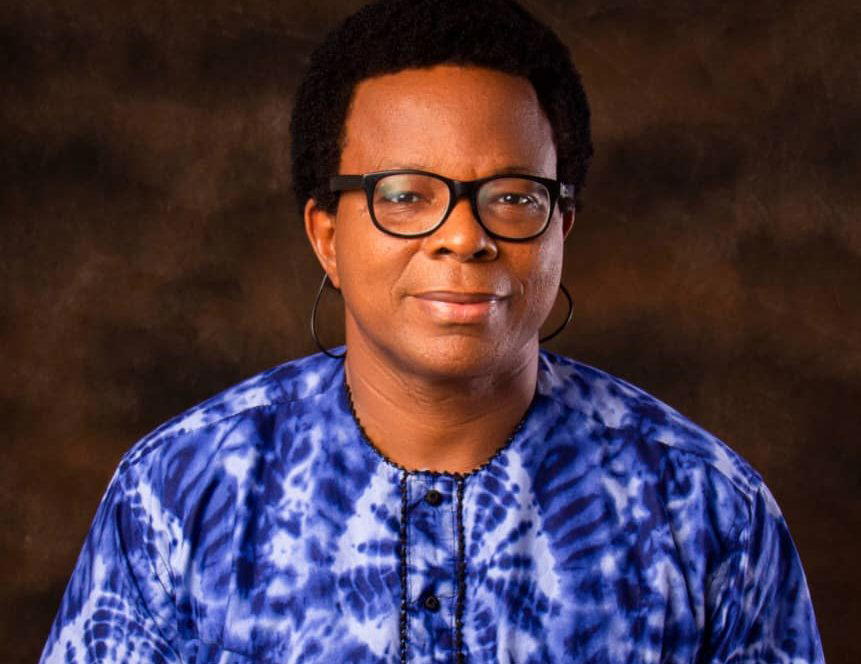
Samson Itodo is an election, democracy, and public policy enthusiast. Itodo serves as the Executive Director of Yiaga Africa, Principal Partner of the Election Law Center and Chairperson of the African Union Advisory Group on AI in Peace, Security and Governance. He is also a member of the Kofi Annan Foundation board and the Board of Advisers of the International Institute for Democracy and Electoral Assistance (IDEA). Comments and feedback to [email protected]
Nigerians can now invest ₦2.5 million on premium domains and profit about ₦17-₦25 million. All earnings paid in US Dollars. Rather than wonder, click here to find out how it works.
Join Daily Trust WhatsApp Community For Quick Access To News and Happenings Around You.




Discussion (0)