

Experts push policy to harness N1tn blue economy revenue annually
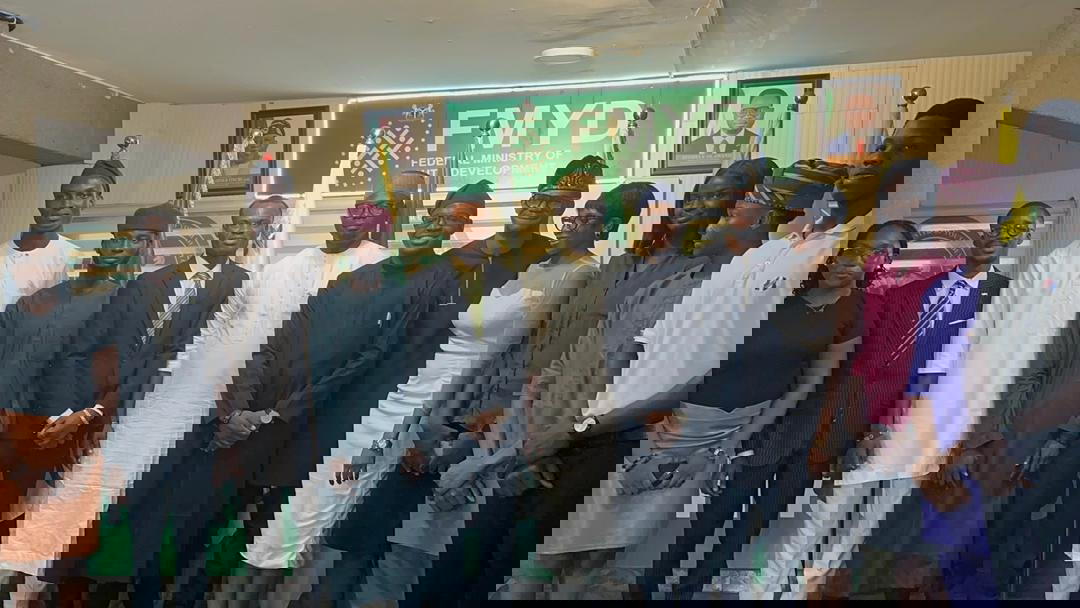
Maritime experts say Nigeria could generate over N1 trillion annually from its blue economy if the sector is fully developed and strategically regulated. However, the absence of a clear national policy framework, weak standardization, and dependence on foreign technical certification continue to undermine the country’s ability to harness its full potential. Speaking at the 14th Annual Conference of the Nigerian Institution of Maritime Engineers and Naval Architects (NIMENA) in Port Harcourt, the National Chairman, Engr. Dr. Eferebo I. Sylvanus, FNSE, said Nigeria boasts one of the most active maritime sectors in the world due to its oil and gas activities, extensive coastline, and vast inland waterways. According to him, the sector holds the capacity to create millions of jobs and generate immense wealth but remains underutilized because the nation lacks technical sovereignty.
“Nigeria is not short of talent; what we lack is a structured pathway,” he said.
“We operate a maritime industry that depends on foreign certification and expertise. Our engineers, tools, and cadets cannot be properly certified locally. Until we attain technical sovereignty, we will continue to miss out on major opportunities.”
Sylvanus called for the development of a national vision for maritime growth, stressing the need for coordinated policies that can unlock the country’s human and economic potential.
He explained that the conference theme, “Digital Maritime Transformation and Smart Solutions: A Pathway to the Advancement of Nigeria’s Blue Economy,” aims to promote the adoption of digital tools, IoT solutions, and innovative technologies in maritime operations.
In his address, the President of the Council for the Registration of Engineers in Nigeria (COREN), Engr. Prof. Saddiq Abubakar, FNSE, highlighted Nigeria’s strategic maritime position in trade, logistics, energy exports, naval defense, and blue economy development.
He warned that the nation’s maritime growth is hampered by factors such as substandard marine equipment, poor maintenance culture, limited shipyard capacity, inadequate local content, and inconsistent enforcement of engineering standards. He also cited weak conformity assessment systems and insufficient regulations for naval machinery as major setbacks.
“These deficiencies reduce operational efficiency, increase costs, undermine safety, and restrict Nigeria’s participation in the global maritime value chain,” Abubakar said.
“Strengthening standardization and compliance enforcement is essential for industrial growth, maritime safety, naval protection, and global competitiveness.”
He added that improved standardization would boost the durability of locally built vessels, expand export opportunities, and reduce maintenance expenses.
The keynote speaker, Dr. Aladenusi Olugbemiro, emphasized that digital transformation is central to building a competitive and globally attractive maritime industry. He praised NIMENA for championing the national discourse on maritime innovation.
Nigerians can now invest ₦2.5 million on premium domains and profit about ₦17-₦25 million. All earnings paid in US Dollars. Rather than wonder, click here to find out how it works.
Join Daily Trust WhatsApp Community For Quick Access To News and Happenings Around You.




Discussion (0)