

Five things to know to start your day
Enhanced Hope
The Federal Government incurred N1.98 trillion in electricity subsidy obligations over 12 months from October 2024 to September 2025, according to quarterly reports from the Nigerian Electricity Regulatory Commission. The burden remains elevated despite tariff adjustments for Band A customers in April 2024, with the subsidy accounting for 58.63 per cent of total generation costs in the third quarter of 2025.
NERC disclosed that without government intervention, generation costs would have stood at N782.45 billion in the third quarter alone, but subsidies reduced distribution companies’ invoices from the Nigerian Bulk Electricity Trading Company to N323.70 billion. Power sector operators have repeatedly called for complete subsidy removal to address persistent liquidity challenges.
Nigeria’s poverty rate is projected to rise to 62 per cent by 2026, with approximately 141 million people expected to be living below the poverty line, according to PwC’s Nigeria Economic Outlook 2026. The consultancy firm warned that despite recent policy actions aimed at restoring macroeconomic stability, weak growth in real incomes and persistently high living costs will push more households into poverty.
PwC estimates that most Nigerians will struggle to record income gains strong enough to offset rising prices, particularly as inflation continues to erode purchasing power. Food accounts for up to 70 per cent of total consumption among poorer households, making them especially vulnerable to price shocks. The World Bank shared a similar assessment, noting that the absolute number of people in poverty has increased from about 81 million in 2019 to roughly 139 million in 2025, meaning around 14 million people fell into poverty in just one year between 2024 and 2025. Both PwC and the World Bank cautioned that without targeted interventions such as job creation, productivity improvements, and effective social protection programmes, rising poverty levels could weaken domestic consumption, constrain productivity growth, and place additional pressure on public finances.
Read Also: How Otedola’s exit from energy mirrors Elumelu’s bold entry
Electricity distribution companies collected N1.13 trillion from customers over the six months spanning the second and third quarters of 2025, according to monthly performance data from the Nigerian Electricity Regulatory Commission. The collections occurred despite repeated complaints of low power supply, incessant blackouts, and a national grid collapse during the period.
Distribution companies recorded combined billing losses of N315.17 billion between the quarters, largely due to energy theft, poor metering, and weak commercial controls. In the third quarter, DisCos were unable to account for N147.92 billion worth of energy received at their trading points, though billing efficiency improved to 82.69 per cent from 81.61 per cent in the second quarter. Collection efficiency reached 80.70 per cent in Q3, up from 76.07 per cent in Q2, with DisCos generating N570.25 billion from N706.61 billion billed. Ikeja DisCo recorded the highest collection efficiency at 100 per cent whilst Kaduna DisCo posted the worst performance at 45.67 per cent.
Venezuela and the United States are holding talks about exporting Venezuelan crude to American markets following Saturday’s military operation that removed President Nicolás Maduro from power. President Donald Trump announced on Tuesday that the two governments had reached an agreement to export up to $2 billion worth of Venezuelan oil to the US, though significant uncertainties remain about implementation and the future government structure.
The arrangement would divert supplies currently sent to China, Venezuela’s largest buyer over the past decade, and help the South American nation avoid deeper production cuts after a US-imposed blockade left millions of barrels stranded on tankers and in storage facilities. Venezuelan officials and the state oil company PDVSA are discussing possible sales mechanisms including auctions for US buyers and licenses for PDVSA’s business partners. Trump stated that US oil companies would invest billions to rebuild Venezuela’s deteriorated infrastructure, though the American Petroleum Institute and industry sources have expressed caution about immediate re-entry given political uncertainties and the massive investment required. Venezuela holds the world’s largest proven oil reserves at approximately 303 billion barrels, but currently produces less than 1 million barrels per day, down from over 3 million in the early 2000s following years of underinvestment, sanctions, and mismanagement.
Nigeria attracted nearly $14 billion in combined foreign portfolio investment and foreign direct investment in the first nine months of 2025, surpassing total inflows recorded in 2024, according to the Federal Ministry of Industry, Trade and Investment. Foreign portfolio investment led the recovery, rising to $12.99 billion, whilst foreign direct investment expanded 700 per cent quarter-on-quarter in Q3 to reach $936 million year-to-date.
The ministry attributed the surge to macroeconomic and structural reforms under President Bola Tinubu’s administration, including foreign exchange liberalisation, fuel subsidy removal, monetary tightening, and enhanced investor aftercare. Nigeria converted investment commitments into live projects at a rate exceeding 25 per cent, with four priority projects valued at $13.7 billion advancing from $50.8 billion worth of signed memoranda of understanding. The Nigerian Exchange ranked among the world’s top-performing stock markets during the year. Non-oil exports grew 21 per cent to $12.8 billion in the first half of 2025, almost double the $6.5 billion target, contributing to a N12 trillion trade surplus. Leading exports included cocoa, sesame seeds, cashew nuts, shea butter, and liquefied natural gas.
Oluwatosin Ogunjuyigbe is a writer and journalist who covers business, finance, technology, and the changing forces shaping Nigeria’s economy. He focuses on turning complex ideas into clear, compelling stories.
Join BusinessDay whatsapp Channel, to stay up to date
Community Reactions
AI-Powered Insights
Related Stories

Tinubu’s oil revenue directive set to deepen fiscal federalism, empower states

Olawepo-Hashim wants INEC Chairman resigned or face mass action over new election timetable
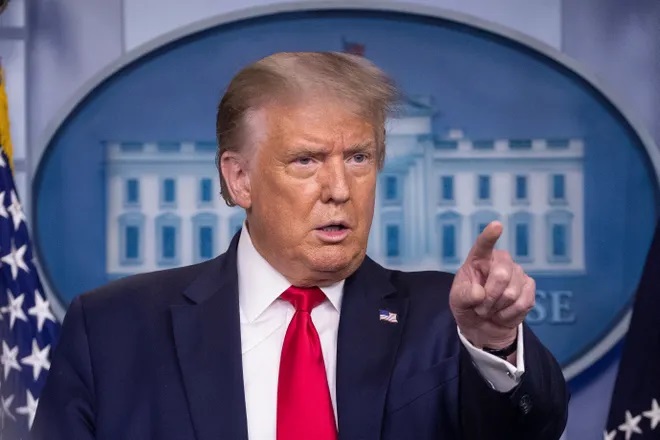
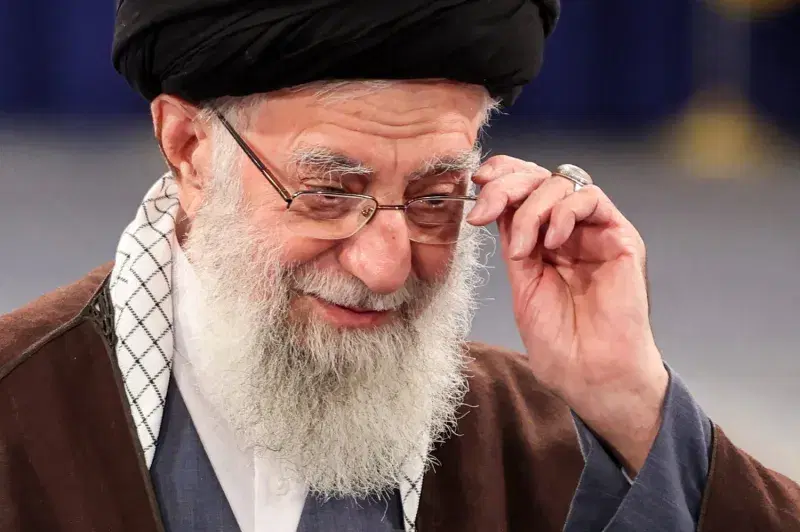
Iran’s Supreme Leader is dead, says Trump


Discussion (0)