
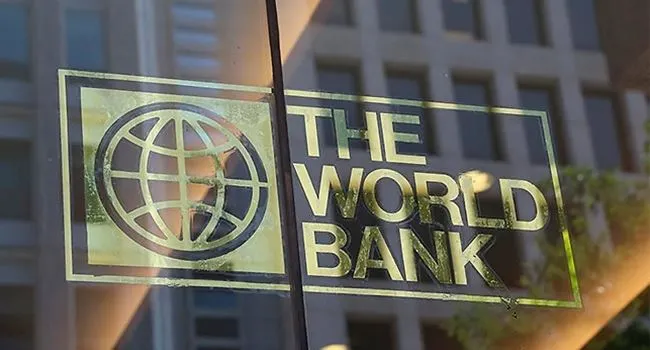
World Bank urges Nigeria to cut import tariffs to boost economic reforms
The World Bank has called on the Nigerian government to take immediate steps to reduce import tariffs and lift import bans on essential goods in a bid to tackle the country’s soaring inflation and alleviate rising poverty levels.
This recommendation was made by Mathew Verghis, the World Bank Country Director for Nigeria, during a television interview.
Verghis warned that inflation remains persistently high in Nigeria, eroding the purchasing power of millions of Nigerians, particularly the country’s most vulnerable populations.
He emphasized that food inflation, which is hovering at around 20%, is a critical driver of poverty in the country.
Verghis noted that unless urgent measures are taken to address inflation, the poverty rate in Nigeria is projected to continue rising through 2025, and potentially into 2026.
“The reason we are projecting poverty to continue rising is because inflation remains high enough that it’s undermining household incomes, especially for the poor,” he said, adding, “Food inflation remains at around 20%, which is placing enormous pressure on households.”
To address this, the World Bank recommended a reduction in tariffs on key imported goods, particularly those consumed by low-income Nigerians.
Import bans on such goods should also be reconsidered, as they contribute to price hikes. Verghis argued that lowering tariffs and lifting import restrictions would not only ease inflationary pressures but also align with Nigeria’s ECOWAS commitments to promote free trade within the region.
The World Bank believes that although Nigeria’s ongoing economic reforms are essential for long-term stability, certain policy changes could provide more immediate relief to struggling households. Reducing trade barriers would lead to lower import prices, helping to curb the escalating cost of living.
Verghis specifically highlighted the impact of high tariffs on basic goods, saying these policies disproportionately affect the poor, who spend a significant portion of their income on food and everyday essentials.
“One way of lowering inflation quickly is to reduce some of these tariffs and take away some of these import bans,” Verghis suggested, adding that this could have a more immediate and positive impact on the economy.
Turning to Nigeria’s volatile exchange rate, Verghis warned against relying on artificial mechanisms to stabilize the Naira. Instead, he advocated for a market-driven exchange rate that reflects the true value of the currency based on economic fundamentals. He emphasized the importance of boosting exports and attracting foreign direct investment (FDI) to stabilize the currency in the long run.
“The best way to keep the Naira stable is to make sure that your exports are increasing and your foreign direct investment is increasing,” Verghis explained. “Stability is not the end goal; the primary objective is to get growth going, and a stable exchange rate that allows businesses to plan will contribute to that.”
Verghis also acknowledged Nigeria’s progress in diversifying its revenue sources away from oil dependence.
He highlighted that the country is now less reliant on oil revenues than in the past, largely due to a more realistic exchange rate and the removal of petrol subsidies. These steps have helped open the door to increased non-oil revenues, which are crucial for funding key infrastructure projects and social services.
Nigerians can now invest ₦2.5 million on premium domains and profit about ₦17-₦25 million. All earnings paid in US Dollars. Rather than wonder, click here to find out how it works.
Join Daily Trust WhatsApp Community For Quick Access To News and Happenings Around You.
Community Reactions
AI-Powered Insights
Related Stories

AIICO Insurance Expresses Determination to Celebrate Excellence

Sovereign Trust Insurance Equips Saka Tinubu Traders

Usman Onoja Appointed Chairman of Lovonus MFB


Discussion (0)