
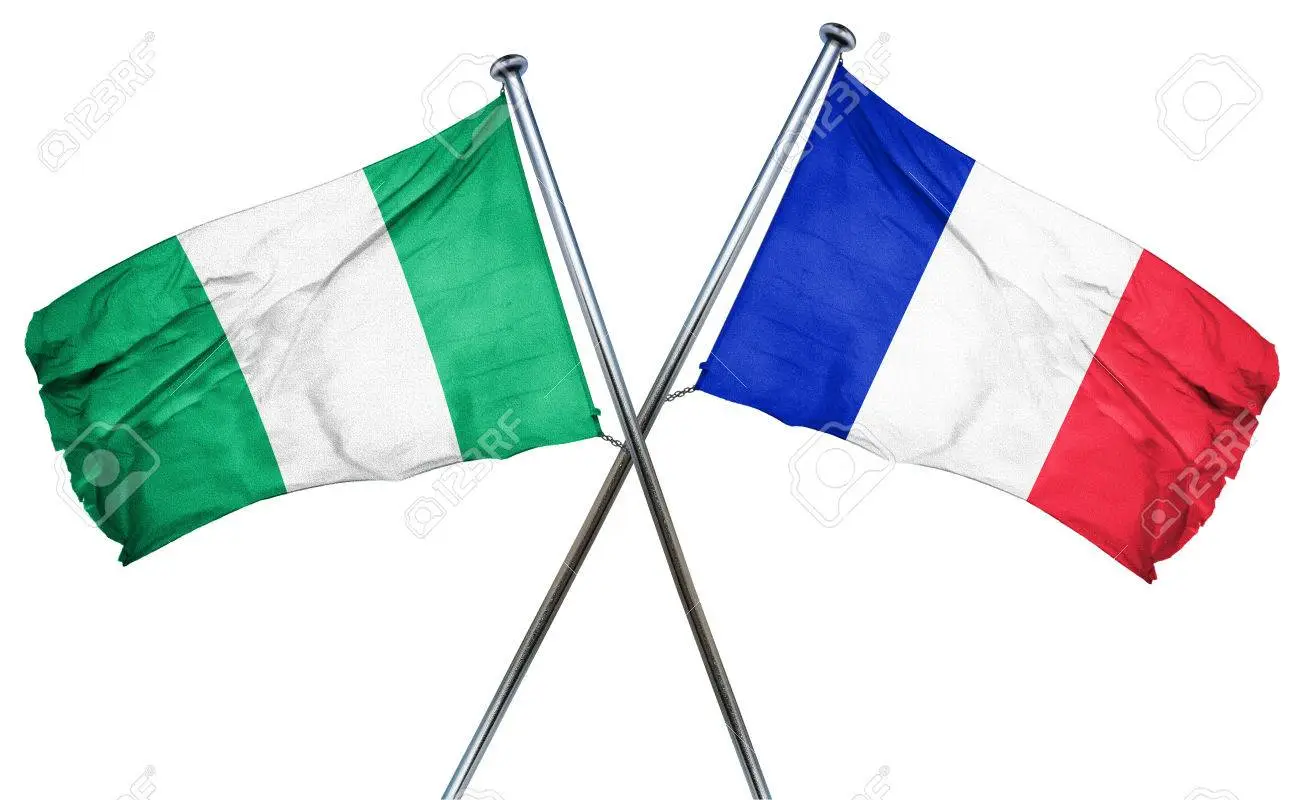
France, FIRS and Nigeria’s red lines
Few issues touch the raw nerves of sovereignty, trust and national memory as deeply as data control. That is why the Memorandum of Understanding (MoU) signed on December 10 between Nigeria’s Federal Inland Revenue Service (FIRS) and France’s tax authority, the Direction Générale des Finances Publiques (DGFiP), has triggered anxiety far beyond the technical language of digital tax administration. Whatever reassurances are now being offered, the controversy refuses to die because it taps into long-standing fears among Nigerians about foreign intrusion, secrecy in governance and an uneasy historical relationship with France.
First, Nigerians are instinctively alarmed by anything that appears to expose their tax records to a foreign entity. This fear is not entirely new, nor is it irrational. For decades and until recently in some of the instances, sensitive Nigerian data in sectors such as telecommunications, elections, identity management and finance have been processed, stored or influenced by foreign vendors and governments. Each time, officials promised airtight safeguards; each time, doubts lingered. Tax data, which reveals not just personal income but corporate structures, investment flows and the true health of the economy, is among the most sensitive assets of a modern state.
When citizens hear phrases such as “AI-powered audits,” “real-time economic analytics” and “automated compliance” tied to a foreign partner, alarm bells are bound to ring, regardless of official explanations about anonymisation or aggregation.
Second, Nigerians remain largely in the dark about the full details of this MoU. That opacity is perhaps the greatest driver of suspicion. Although the FIRS insists that the agreement is limited to technical assistance, knowledge sharing and capacity building, and that no raw taxpayer data or digital systems are being accessed by France, yet, the actual text of the MoU has not been made public. In a democracy already burdened by trust deficits, secrecy is a dangerous choice. If there is truly nothing to hide, full disclosure should not be controversial. Citizens are entitled to know precisely what commitments their government has made, what data categories are involved, who controls the systems, where servers are located, and what legal remedies exist if breaches occur. Reassurance without transparency is no reassurance at all.
Third, although President Bola Ahmed Tinubu is acting within his constitutional powers to shape Nigeria’s foreign policy, his perceived closeness to France has unsettled many Nigerians. This unease is sharpened by the regional context. Across West Africa, countries such as Mali, Burkina Faso and Niger have violently rejected French influence, framing it as neo-colonial and destabilising.
Whatever one thinks of the military regimes in those countries, their actions reflect a deep popular resentment that cannot simply be dismissed as propaganda. Against this backdrop, Nigeria’s warm engagement with France stands out sharply. Some pundits now speculate that Nigeria’s recent diplomatic frictions with Western powers, including the United States, may be indirectly linked to this perceived “romance” with France, given Paris’s influence within the European Union and Western policy circles. Whether or not such claims are provable, perception matters in diplomacy, and Nigeria cannot afford to appear tone-deaf to regional and domestic sentiment.
Fourth, the role of the National Assembly in agreements of this nature demands urgent scrutiny. Is there any law that permits MoUs touching on national data infrastructure, economic intelligence and digital governance to be signed and implemented without legislative oversight or public disclosure? While not all MoUs are treaties requiring ratification, those with far-reaching implications for sovereignty, data protection and national security should not be treated as routine bureaucratic instruments. The legislature exists precisely to provide checks, debate and legitimacy. Its silence on this matter raises uncomfortable questions about institutional complacency or exclusion.
Fifth, no matter how positive a bilateral relationship may be, allowing even the possibility of limitless data access to another country is inherently dangerous. Aggregated and anonymised data can still reveal patterns, vulnerabilities and strategic insights. In the age of big data and artificial intelligence, raw files are no longer the only source of power; meta-data and patterns are often more valuable. Economic data is geopolitical power. It shapes negotiations, investment strategies, sanctions regimes and diplomatic leverage. Nigeria must, therefore, draw a firm red line between cooperation and dependency, between learning from others and surrendering strategic control.
Finally, history cannot be wished away. France’s relationship with Africa is uniquely fraught. From control over currencies and reserves to military interventions and opaque corporate dealings, Paris’s record in its former colonies has left deep scars. Allegations involving French companies and data systems in African elections and identity projects, as well as documented corruption cases, feed into today’s distrust. This history explains why even well-intentioned French initiatives are met with scepticism. Nigeria, which prides itself on having avoided formal colonisation by France, should be especially cautious about drifting into arrangements that echo the very patterns others are now rejecting.
None of this is to argue that Nigeria should isolate itself or shun France altogether. France remains a major military, economic and technological power, with resources and expertise that Nigeria can legitimately engage. Strategic cooperation is not the problem; unexamined, opaque and poorly communicated cooperation is. What Nigeria needs is clarity, transparency and confidence in its own capacity. As Africa’s largest economy and a fintech powerhouse, Nigeria should be strengthening local institutions and technologies, not fuelling perceptions that it must outsource its most sensitive functions.
At stake here is more than a tax MoU. It is the question of whether Nigeria still understands the value of its sovereignty in an era where data, not territory, is the ultimate prize.
At Daily Trust, we strongly believe that the Federal Government of Nigeria must choose between calm public fears with openness and restraint or deepen them with silence and defensiveness. History suggests the wiser path.
Nigerians can now invest ₦2.5 million on premium domains and profit about ₦17-₦25 million. All earnings paid in US Dollars. Rather than wonder, click here to find out how it works.
Join Daily Trust WhatsApp Community For Quick Access To News and Happenings Around You.
Community Reactions
AI-Powered Insights
Related Stories

SAHCO Strengthens Operation with Acquisition of Ultra-modern Equipment

Ezekwe Receives Excellence Award at UNIZIK AI Workshop

Tunde Lemo: How I Will Transform Ogun State Economy as Governor


Discussion (0)