

El-Rufai links US sanctions bill naming Kwankwaso to domestic politics, questions security failures
Nasir El-Rufai, former Kaduna State governor, has alleged political undertones behind a United States legislative proposal that lists former Kano State governor Rabiu Musa Kwankwaso among individuals accused of involvement in religious-freedom violations.
The proposal, introduced by US congressman Riley Moore and co-sponsored by Chris Smith, seeks targeted sanctions against certain Nigerians under the Nigeria Religious Freedom and Accountability Act of 2026.
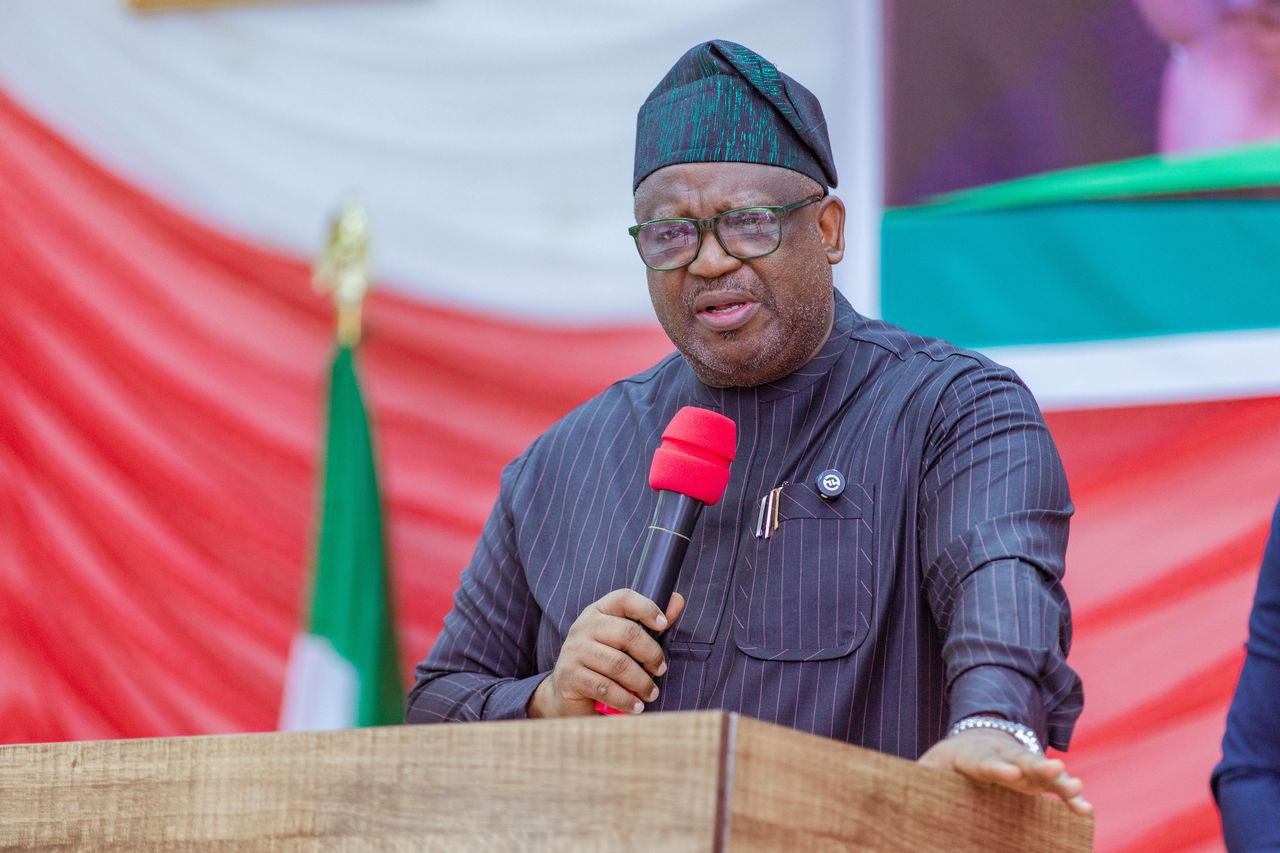
Speaking on ARISE TV’s Prime Time programme, Friday, El-Rufai suggested the inclusion of Kwankwaso in the bill could be connected to Nigerian domestic politics rather than documented religious abuses.
He claimed the development might relate to the former Kano governor’s refusal to join the ruling party led by President Bola Tinubu, adding that speculation about Kwankwaso’s possible alignment with another opposition platform may have triggered external pressure.
According to him, several northern states adopted Islamic legal frameworks years ago, making Kwankwaso’s singular mention questionable.
“Twelve northern states implemented Sharia law. The first was Zamfara, yet it is Kwankwaso being singled out. It raises the question — where is this coming from?” he said.
Read also: El-Rufai’s phone-tapping claim sparks national outcry, deepens political divide
He insisted the former Kano governor was not known as a religious hardliner and described the move as “unfair and politically motivated.”
The proposed legislation recommends visa restrictions and asset freezes under the Global Magnitsky Human Rights Accountability Act against individuals or organisations accused of supporting religious-freedom violations in Nigeria. Aside from Kwankwaso, it names Fulani nomad militias and pastoral associations including Miyetti Allah Cattle Breeders Association of Nigeria and Miyetti Allah Kautal Hore.
The bill also calls for humanitarian assistance to be delivered through faith-based and non-governmental organisations in Nigeria’s Middle Belt region.
El-Rufai urged Nigerians to treat the proposal cautiously, arguing that American political interests — particularly appeals to evangelical voters — could be shaping the narrative around religious violence in Nigeria.
He dismissed claims that the legislation reflects genuine concern for Nigeria’s security situation.
“This is domestic political posturing in the United States. Nigerians should not become pawns in another country’s internal political debate,” he said
While rejecting the foreign allegations, the former governor acknowledged Nigeria’s worsening insecurity and criticised the country’s security structure.
He said the government has struggled to protect citizens regardless of religion.
“Everyone is at risk. The security architecture has failed — whether through incompetence or lack of action — and serious questions must be asked,” he stated.
The controversy has added a diplomatic dimension to Nigeria’s internal political tensions, coming amid heightened scrutiny of violence across several regions.
Observers note the development could strain perceptions of Nigeria abroad while deepening domestic political rivalries at home, especially as political realignments intensify ahead of future elections.
For now, neither the Nigerian presidency nor Kwankwaso has issued a formal response to El-Rufai’s claims, leaving the debate over foreign influence and domestic accountability unresolved
Join BusinessDay whatsapp Channel, to stay up to date
Community Reactions
AI-Powered Insights
Related Stories

NGOS AND IMPACT ON SOCIETY

KPMG Advises Businesses to Reinvent Tax Functions Amid Revenue Drive

Nuhu Ribadu Vs. El Rufai: Battle of The Last Hegemons


Discussion (0)